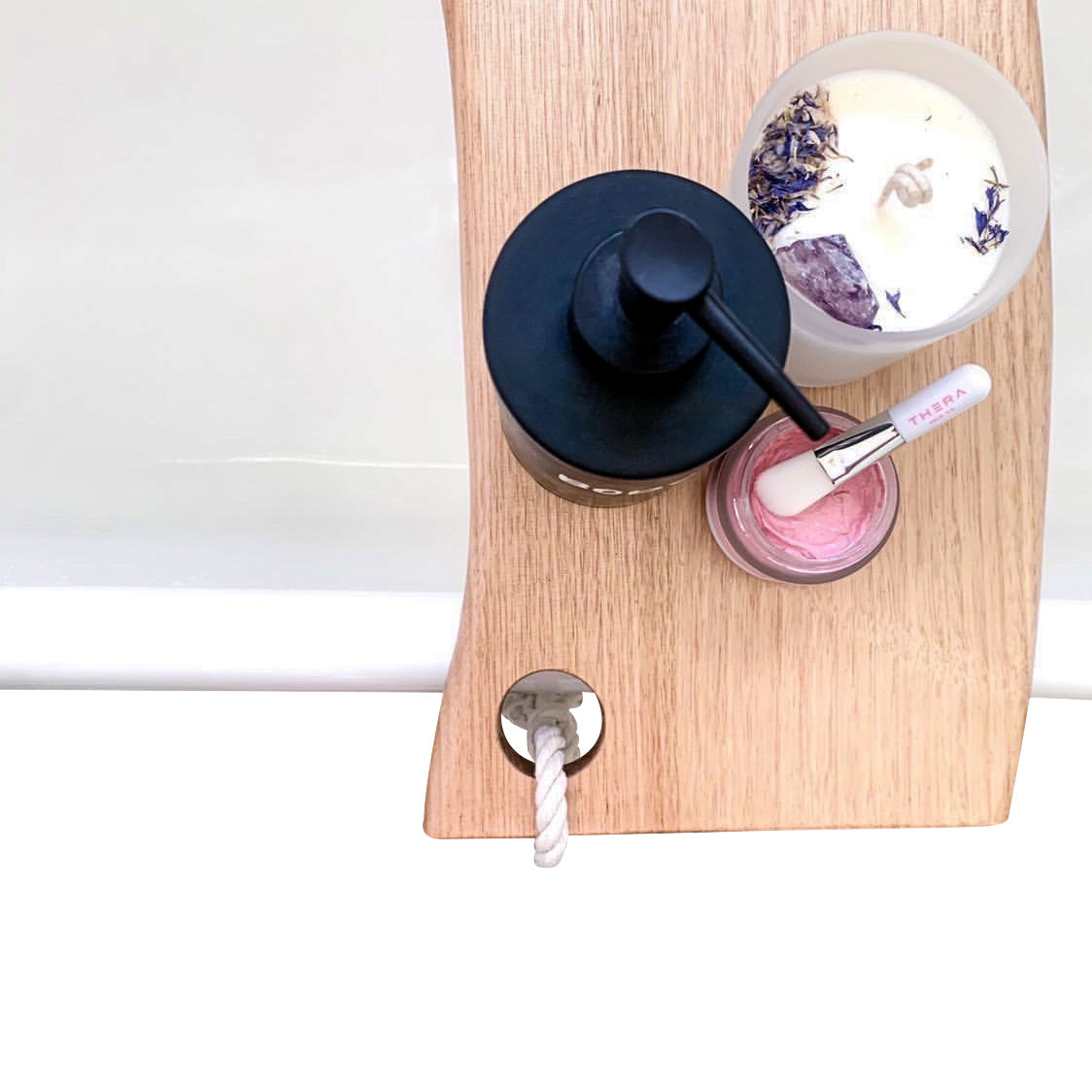

Timber furniture adds an elegant, timeless appeal to any space, providing warmth and character that few other materials can match. However, maintaining that pristine appearance requires careful attention to cleaning and maintenance. Many individuals unwittingly commit cleaning errors that can lead to damage these wooden pieces. In this guide, you will discover the most common mistakes in cleaning timber furniture and how to avoid them. By understanding and addressing these common mistakes, you can ensure your furniture remains in top condition for years.
Importance of Cleaning Timber Furniture
Regular cleaning is essential to keep timber furniture looking good and lasting for years. Dust, dirt, and spills can slowly damage the surface, dull the finish, and weaken the wood if left unattended. Proper cleaning not only preserves the natural beauty of timber but also helps prevent long-term issues like stains, cracks, and moisture damage. With the right care, timber furniture can retain its strength, appearance, and value over time.
Mistakes to Avoid in Cleaning Timber Furniture
Many people unknowingly damage their timber furniture by using the wrong cleaning methods or products. Below are some of the most common mistakes people make while cleaning timber furniture, and how avoiding them can help extend its life and maintain its natural finish.
Risk of Ignoring Manufacturer's Guidelines
Every piece of timber furniture comes with its own set of care instructions, usually provided by the manufacturer. Ignoring these guidelines can lead to a host of issues that can diminish the aesthetics and function of your pieces. These guidelines are tailored specifically to the type of timber and the finish applied to it.
The manufacturer knows best what treatments and finishes were used during the production process, and they're keenly aware of how these materials will interact with various cleaning agents and methods. Ignoring their advice can result in unnecessary wear and tear.
-
Warranty Concerns: Many warranties become void if you disregard the manufacturer's care instructions.
- Tailored Care: Guidelines often offer specific advice that takes into account the unique properties of your furniture's materials.
Following the manufacturer's guidelines is not just about maintaining the aesthetic appeal; it is about ensuring you don't damage the piece in ways that could have easily been avoided.
Ignoring the Type of Timber Finish
Understanding the type of finish on your timber furniture is crucial for proper care and cleaning. Different finishes require different approaches. Whether it's lacquered, varnished, oiled, or waxed, each type will react differently to cleaning methods and products.
Lacquered finishes, for instance, are typically more resistant to moisture and spills but can crack or blister under excessive heat or chemical exposure. In contrast, oiled finishes soak into the wood, needing periodic reapplication to maintain their protective barrier.
-
Lacquered Finish: Use a soft, dry cloth for cleaning, and avoid water or harsh chemicals.
-
Oiled Finish: Periodically oil the wood to keep it nourished and looking vibrant.
- Waxed Finish: Wax every few months to maintain a protective layer, buffing to achieve a nice sheen.
Knowing your finish type allows you to care for your furniture more effectively, ensuring durability and an impeccable appearance. Always perform a small patch test if you're unsure about a cleaning product's impact on your furniture's finish.
Scrubbing with Rough Cloths or Abrasive Pads
Using harsh cloths or abrasive pads can cause significant damage to the surface of timber furniture. Scratches and abrasions not only spoil the aesthetic appeal but can also remove protective layers, leaving the wood vulnerable to moisture and other elements.
Instead of abrasive materials, opt for soft microfibre cloths or similar gentle alternatives that effectively remove dust and grime without damaging the surface. Microfibre cloths are especially beneficial because they can trap particles without scratching the surface.
-
Microfibre Use: Ideal for dusting and polishing, trapping dirt without the need for excessive rubbing.
- Avoid Steel Wool: Never use steel wool or similar materials; they can damage the surface permanently.
Always clean timber along the grain and not against it, to avoid scratches and maintain the integrity of the wood's appearance. This simple principle protects your furniture from unnecessary wear over time.
Cleaning with Harsh Chemicals or Strong Detergents
Using harsh chemicals or strong detergents on your timber furniture is one of the quickest ways to cause damage. Many cleaning agents contain ammonia, bleach, or other chemicals that can strip the wood of its finish, leading to discolouration and deterioration.
Instead, use milder, more natural cleaning solutions. Simple solutions like a mixture of water and vinegar or gentle dish soap diluted with water can effectively clean timber surfaces without risking damage.
-
No Bleach: Avoid any cleaners that contain bleach, as they can discolour wood.
- Naturally Derived Cleaners: Opt for cleaning solutions that are marked as safe for wood or naturally derived.
If in doubt, always test any new cleaning solution in an inconspicuous area first to ensure it does not cause any adverse reactions with the finish.
Using Too Much Water on Timber Surfaces
While it may seem beneficial to use a liberal amount of water to clean surfaces, doing so can be detrimental to timber furniture. Wood, being an organic material, absorbs water, which can lead to swelling, warping, and eventual cracking.
The key to effective cleaning without water damage lies in using minimal moisture. Always ring out your cleaning cloth until it is damp, not wet. This ensures that only a small amount of moisture comes in contact with the timber.
-
Lightly Damp Cloth: Always clean with a cloth that’s barely damp to the touch.
- Avoid Standing Water: Ensure no water spots remain by drying the area immediately after cleaning.
Even seemingly harmless actions like leaving a damp cloth on top of a timber surface can have lasting negative effects. Be vigilant with water use and your furniture will thank you for it over time.
Skipping Regular Dusting and Maintenance
Regular dusting is one of the simplest yet most effective ways to maintain the appearance of your timber furniture. When left unchecked, dust accumulates and can become abrasive, dulling the surface of the wood over time.
Commit to a routine that includes dusting at least once a week, using a soft cloth or duster designed for delicate surfaces. This practice will prevent the buildup of dust that can otherwise become ingrained in the wood's microscopic cracks and imperfections.
-
Weekly Routine: Dust your furniture weekly to avoid excessive build-up.
- Use Soft Tools: Choose duster or cloth specifically designed for sensitive cleaning.
Remember that regular maintenance isn't limited to dusting. Consider refinishing or reapplying oils and polishes as needed to sustain the wood’s protective barriers and keep it looking like new.
Leaving Spills Untouched for Too Long
Spills are inevitable, but leaving them on the surface of your timber furniture for extended periods is a recipe for damage. Liquid spills can lead to warping or staining, and sticky substances can attract further dirt and grime.
To avoid these pitfalls, address spills immediately as they occur. Blot the spill with a soft, absorbent cloth rather than wiping, which can spread the liquid over a larger area.
-
Immediate Action: Blot spills as soon as they occur to prevent staining and absorption.
- Avoid Rubbing: Rubbing can push any liquid deeper into the grain, worsening stains.
Prompt action reduces the likelihood of permanent damage and helps maintain the furniture's aesthetic appeal. If a spill does result in a stain, consult professional guidelines for potential remedies without causing undue damage.
Forgetting to Dry the Surface Properly
After cleaning your timber furniture, failing to properly dry the surface can lead to moisture being trapped, which can damage the furniture over time. Residual moisture left unchecked can lead to mold, mildew, and warping.
Every time you clean your furniture, follow up by using a dry, soft cloth to thoroughly dry the surface. Make sure no moisture remains, especially in joints and crevices where water tends to accumulate.
Professional Maintenance: When to Seek Help
Although routine care can be managed at home, some tasks and damages require professional attention to ensure the integrity and aesthetic of your timber furniture remain intact. Certain stains, structural issues, and restoration tasks can be beyond the scope of regular home maintenance.
Professional cleaners have access to specialised tools and products that can treat your furniture with precision, addressing issues without inflicting further damage. Similarly, restoration services can breathe new life into aged or damaged pieces, restoring them to their original grandeur.
-
Complex Damage: Seek professional help for deep scratches, stubborn stains, or structural repairs.
- Finishing Touch: Restoration services can refresh and reclaim damaged or aged pieces.
Understanding when professional maintenance is warranted not only protects your investment but ensures your furniture remains a centrepiece in your home filled with character and charm.
Achieving Longevity with Timber Furniture
When it comes to maintaining the pristine quality of timber furniture, diligence and proper care are essential. As you go through the complexities of caring for your prized pieces, being mindful of common cleaning mistakes can prevent avoidable damage and prolong the life of your furniture. From adhering to manufacturer's guidelines, understanding various finishes, avoiding abrasive products, and knowing when to seek professional help, every detail contributes to the longevity of your beloved timber furnishings.
By integrating these tips into your maintenance routine, you ensure that your timber furniture not only survives but thrives over the years. With each effort you make to preserve its beauty and functionality, you are investing in a piece of timeless elegance that enriches your space.